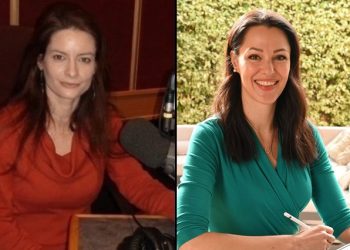
Dr Lauren Ford – Neurosurgeon – Solutionist

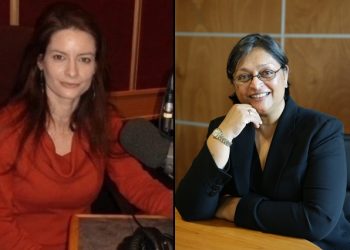
This week on Womanity, Dr Amaleya Goneos-Malka speaks with neurosurgeon Dr Lauren Ford, whose work spans traumatic brain injury, neurosurgical oncology and spinal surgery. From a childhood fascination with medicine to a career operating at millimetre-level precision, Dr Ford shares the experiences, relationships and determination that shaped her path. The conversation moves beyond the operating theatre to explore women’s neurological health, compassionate patient care, the realities of a demanding surgical career and the importance of perseverance.
When the Speciality Chooses You
Dr Ford says she always wanted to be a doctor. Early encounters with serious illness; her own childhood medical emergency and her younger brother’s recovery from multi-organ failure and a stroke, gave that ambition a deeply personal foundation. Her fascination with the brain and nervous system began early, and by Grade 9 she was already imagining the seemingly impossible. In her words, neurosurgery ultimately “chose” her.
Where Millimetres Matter
Neurosurgery demands extraordinary accuracy: a deviation of one or two millimetres can have catastrophic consequences. Dr Ford explains how magnifying loupes, microscopes, careful positioning and steady hands support delicate brain procedures, while spinal surgery calls for a different kind of physical endurance. Across both, technical excellence must be matched by calm judgement and an acute awareness of what is at stake.
“Time Is Brain”
Working in high-volume public hospitals exposed Dr Ford to severe trauma and unforgettable emergencies, such as men walking into casualty with bottles in their heads or knives in their necks. She describes the urgency of treating brain bleeds, where every delay can worsen the outcome, and recalls an 89-year-old patient who survived after an emergency procedure and still returns to visit her. These cases capture the intensity of the field, and the profound reward of seeing a patient walk out of hospital when there was once very little hope.
Patients Are Never Just Numbers
For Dr Ford, medicine is as much about connection as intervention. She speaks movingly about a young patient whom she operated on three times, making sure the child, not only her parents, understood what was happening. Their continuing bond reflects her belief that good care means walking a path with patients and families, including through the uncertainty and grief that can accompany brain tumours.
A Female Lens on Neurological Health
The interview highlights neurological conditions that may affect women differently or more frequently, including meningiomas, aneurysms, carpal tunnel syndrome, prolactinomas and benign intracranial hypertension. Dr Ford encourages women to pay attention to new or unexplained symptoms such as changes in smell or vision and severe pressure headaches, while stressing that symptoms and treatment depend on the individual and the location of the condition.
Women in a Demanding Surgical World
Neurosurgery is becoming more inclusive, but its long hours and relentless demands still create particular pressures for women balancing professional and family responsibilities. Dr Ford reflects on entering a field with very few female specialists and seeing more women now qualify each year. She also argues that women bring valuable dimensions to medicine, including empathy, communication and a willingness to sit with patients through difficult moments.
Success Is Built on Support
Behind Dr Ford’s achievements is a strong network: a supportive partner, a close-knit family, faith, mentors and accomplished women who model purposeful lives. She protects her own balance through exercise, singing in a community choir and making room for interests beyond medicine. Her experience in private practice has also required her to learn new skill sets of leadership, finance and business management, without losing the compassionate heart of a doctor.
A Message to the Next Generation
The conversation closes with a simple, powerful message: do not give up. Dr Ford was not accepted into medicine in the first round, but she kept applying, kept working and stayed true to the career she wanted. For girls considering science, medicine or surgery, her advice is to choose subjects carefully, pursue excellence, seek practical exposure and work hard. Passion may open the door, but perseverance carries you through it.
Tune in for more…
Podcast: Play in new window | Download
Subscribe: RSS