Dr Naadiyah Sterianos – Trauma Director and Trauma Surgeon – Resilience
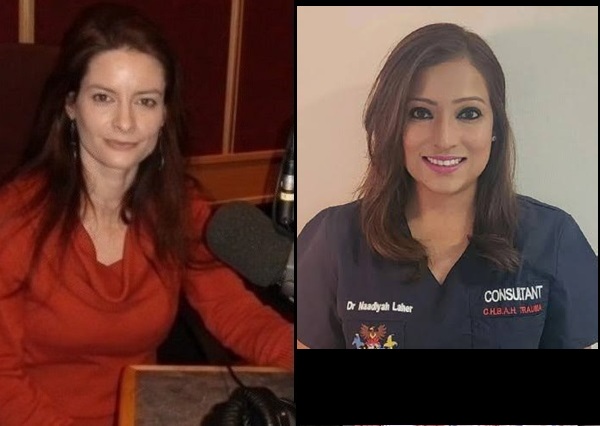
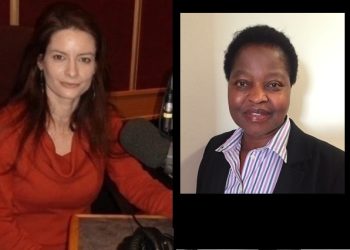
This week on Womanity, Dr Amaleya Goneos-Malka speaks with Dr Naadiyah Sterianos, a specialist trauma surgeon, academic and healthcare leader. She serves as Trauma Director and Surgeon at Life Wilgeheuwel Hospital, having previously worked at Netcare Alberton’s Level I Trauma Unit, Chris Hani Baragwanath Academic Hospital, and Charlotte Maxeke Johannesburg Academic Hospital. Lectures at Wits and she is also the Deputy Secretary of the Trauma Society of South Africa. From an under-resourced school education and an indirect route into medicine to leading a trauma service, her story is defined by purpose, perseverance and a refusal to accept that difficult beginnings determine final destinations.
Purpose, Persistence and the Long Road into Medicine
Dr Sterianos did not enter medicine directly after school. After initially being turned down, she completed a BSc and an honours degree before gaining admission. She also failed early in her university journey and later failed her first medical examination. Instead of treating failure as a verdict, she learned to see it as information: change the study method, adjust the mindset and find another route to the same destination. What sustained her was not simply career ambition, but a clear sense that medicine was her purpose.
Lessons from the Shop Floor
Working part-time as a salesperson while studying taught her patience, humility and how to deal with people who may be demanding or dismissive. Those lessons became unexpectedly valuable in trauma care, where patients can be frightened, intoxicated, disoriented or aggressive. Her experience reinforces a central idea in the interview: every part of a difficult journey can develop qualities that later become professional strengths.
Choosing Trauma: Becoming the Calmest Person in the Room
Dr Sterianos originally imagined becoming a pulmonologist, partly because of her own experience with asthma. Her direction changed after discovering that she preferred practical, hands-on medicine. A defining moment came while she was an intern at Chris Hani Baragwanath Academic Hospital, where she watched a trauma surgeon calmly repair a stab wound to the heart while the rest of the theatre worked under intense pressure. She decided that she wanted to become the person who remains composed when everything is in crisis, gives direction and steadies the team.
The Trauma Surgeon as Captain of the Ship
Trauma care, she explains, is far more than repairing an injury. A severely injured patient may need neurosurgeons, orthopaedic and maxillofacial surgeons, psychologists, physiotherapists, occupational therapists, rehabilitation teams and support from employers. While each specialist focuses on a particular injury, the trauma surgeon focuses on the whole patient and coordinates the journey back to the person’s pre-injury life.
Public and Private Trauma: Different Worlds
The interview reveals striking contrasts between sectors. Public hospitals encounter high volumes of penetrating trauma, including gunshot and stab wounds, while private care more often sees blunt trauma from vehicle crashes, workplace incidents and falls. Dr Sterianos recalls that a month-end Saturday night at Baragwanath could bring as many as 100 patients, about 30 seriously injured; in private practice, five patients can constitute a busy night. The differences in volume and injury profile are profound, but both settings demand coordination and sound clinical judgement.
Treating the Person Behind the Injury
One of the most memorable insights concerns an agitated patient waking after a serious accident. Staff initially saw aggression and non-cooperation; the patient later explained that his last memory was trying to escape the vehicle that struck him. Dr Sterianos realised that he was still responding to that remembered danger. Calm reassurance and psychological understanding could therefore be as important as medication or restraint. For her, holistic trauma care must address fear, distress and post-traumatic stress because mental wellbeing directly affects physical recovery.
Women in Surgery: Beyond Limiting Stereotypes
When Dr Sterianos began surgical training, women were less visible and were often pushed into one of two stereotypes: dependent and in need of rescue, or fiercely self-sufficient and difficult. Neither allowed a woman simply to be recognised as a capable surgeon. She sees encouraging change in the growing number of women entering surgery and leadership, but stresses that visibility matters. When younger doctors see women leading, they move from thinking “perhaps I can” to knowing “I will.”
Leadership Means Taking People with You
Teaching, mentoring and teamwork sit at the heart of Dr Sterianos’s approach to leadership. She believes a legacy cannot depend on one person; juniors must be empowered to continue the work and eventually surpass their mentors. Her late mentor, trauma surgeon Dr Vicky Jennings, modelled this by recognising her teaching ability, creating opportunities, introducing her to international colleagues and drawing her into a wider professional network. Dr Sterianos now aims to extend that same generosity to others.
Building South African Trauma Knowledge
Alongside clinical work, Dr Sterianos is committed to research and to strengthening South Africa’s academic voice. The country carries immense trauma experience, yet much clinical guidance still comes from American and European contexts. She argues that South African clinicians should publish what they see, shape locally relevant guidelines and share their expertise internationally. Her longer-term vision includes developing more trauma specialists and widening access beyond major metropolitan centres.
Networks, Societies and Collective Influence
Professional networks and societies provide belonging, collaboration and a route to larger influence, including policy and prevention. They connect people with shared purpose, but Dr Sterianos also values those who challenge familiar thinking. Conferences, professional societies and multidisciplinary relationships have helped her understand not only clinical medicine, but also the business, stakeholder and organisational dimensions involved in building a trauma service.
Staying Grounded in a Demanding Career
Trauma surgery involves long calls, emotional strain and a real risk of burnout. Dr Sterianos draws strength from family, purposeful time management and honest debriefing. Medical colleagues provide professional reflection and constructive feedback; her husband, who is outside medicine, offers perspective on what matters beyond the hospital. She describes both kinds of support as essential to remaining grounded.
A Message to the Next Generation
Her advice to young women considering surgery is direct: do it. Find a mentor, build a community of supportive and like-minded people, and do not allow setbacks to create lifelong regret. The conversation closes with a broader call to women and girls: no dream is too large or too small, and “no” need not be the end of the road. Turn dreams into action, take others with you, protect your peace and pursue the life you want with faith, resilience and persistence.
Tune in for more…
Podcast: Play in new window | Download
Subscribe: RSS