Dr Helené Basson – Orthopaedic Surgeon – Never Say Never
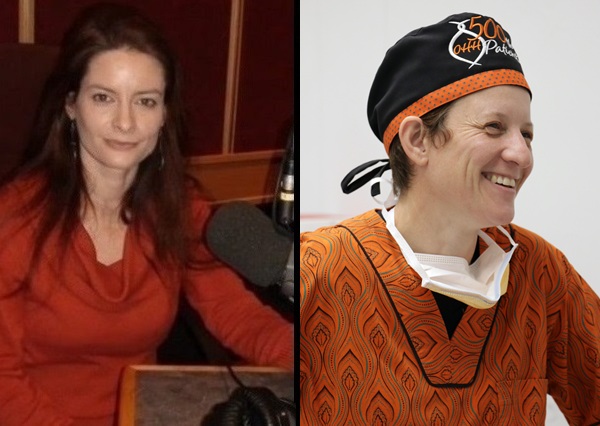
This week on Womanity, Dr Amaleya Goneos-Malka speaks with Dr Helené Basson, an orthopaedic surgeon in private practice at Life Eugene Marais Hospital in Pretoria, founder and CEO of Operation Healing Hands, and the driving force behind the Amici community choir. From restoring movement through surgery to opening doors to healthcare and bringing people together through music, her story reveals how a passion for people can shape a rich and purposeful life.
A Calling Inspired by Her Father
Dr Basson’s path into medicine began with watching her father, an orthopaedic surgeon whose enthusiasm for his work left a lasting impression. By the age of sixteen, she knew she wanted to follow in his footsteps. He encouraged her to explore medicine before committing to a speciality, and she later worked alongside him for seven years. Her advice to young people is simple: choose a career because it genuinely excites you and you are passionate about it, not merely because others believe you have the academic ability to pursue it.
Restoring Movement — and Quality of Life
Orthopaedics offers the variety that first drew Dr Basson to the profession: treating conditions affecting the spine and limbs, from fractures and ligament injuries to joint problems. Having initially specialised in paediatric orthopaedics, she went on to develop a practice combining spinal and general orthopaedic care. She finds fulfilment both in the precision of surgery and in getting to know patients, accompanying them through treatment and recovery.
The Person Behind the Procedure
One of Dr Basson’s moving reflections concerned an elderly patient whose severe complications prompted difficult conversations about surgery and palliative care. The experience reinforced a lesson that has stayed with Dr Basson: medicine is not simply about what can be done, but about what is right for the person receiving care. Knowing when to stop, recognising professional limits and seeking guidance are as important as knowing how to operate. Sometimes no treatment is treatment. Above all, patients and families need honest communication and a sense that someone is walking the journey with them.
Women’s Bone Health: Looking Beyond the Fracture
The conversation turns to osteoporosis and the importance of paying attention to bone health after menopause. Dr Basson highlights the danger of treating a fracture without considering an underlying bone-health problem, and encourages women to discuss assessment and treatment with their doctors. She also emphasises regular, manageable physical activity, including walking, as part of caring for bones, muscles and joints. Her message is to take prevention seriously rather than wait for another injury.
Finding Her Place in Surgery
Asked about gender barriers in surgery, Dr Basson offers a personal perspective: she did not experience gender-based obstacles during her own training. She recalls a team environment centred on caring for patients and lasting friendships with colleagues. The discussion also considers how greater representation can shift perceptions of women in the workplace. Her experience adds an encouraging voice to the conversation about women entering surgical specialities, without suggesting that every woman’s journey is the same.
Operation Healing Hands: Small Contributions, Life-Changing Results
Operation Healing Hands grew from the frustration of seeing a young mother living with the consequences of delayed fracture treatment and being unable to afford further surgery. What began as a Mandela Day initiative in 2016, helping around fourteen patients, became a full-time charity. Ten years on, Dr Basson reports that OHH has helped more than 1,700 patients. Its philosophy is that everyone does a little, and together they do a lot: doctors donate their expertise, while hospitals, suppliers and donors contribute to making surgery possible.
Bridging the Gap in Access to Surgery
The charity matches eligible patients with surgeons across different specialities, focusing on relatively low-risk cases that can be addressed through a single surgical procedure rather than ongoing treatment. Referrals and a partnership with the Atterbury Trust’s free clinic help connect patients to assessment and potential surgical support. Yet funding remains a constant challenge. Even with donated professional time and supplies, consumables and implants carry costs, and the need for surgery far exceeds the charity’s capacity. For Dr Basson, additional funding means the opportunity to help more people.
Amici: Friendship, Music and Food for the Soul
Beyond the operating theatre, Dr Basson finds joy and renewal in Amici, the community choir she started with friends when she was nineteen. Celebrating its thirtieth anniversary, the choir welcomes singers without auditions and performs in churches, retirement homes and its own concerts. As the group grew, she pursued courses and learned from experienced musicians to develop her conducting skills. Music, friendship, faith and community come together in an activity she describes as food for the soul — a reminder that fulfilment need not be confined to a single profession.
A Message to the Next Generation: Never Say Never
The conversation closes with an invitation to girls and young women to find what they love and pursue it with commitment. Whether that passion lies in work, study, a hobby or helping others, Dr Basson believes it can provide the energy to keep going through difficult years. Her own journey shows how unexpected possibilities can emerge through learning, hard work and openness to change. Her message encapsulates hope fused with practical steps: never say never, follow your path, and live with passion.
Tune in for more…
Podcast: Play in new window | Download
Subscribe: RSS